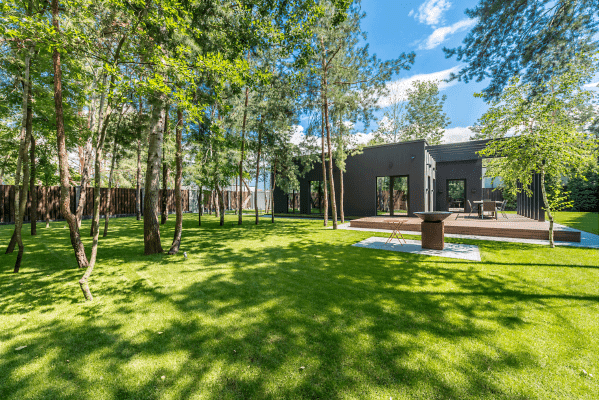
We love our trees. They provide shade, they can help protect from wind damage, they can also be a home to some great wildlife like possums and birds. According to the Department of Agriculture, Australia is home to approximately 2,500 species of native trees. But they also have their downsides, particularly when it comes to a tree on a neighbouring property, or a tree on our own property that a neighbour takes issue with.
When you have a dispute with a neighbour (or they have one with you) about a tree, this is often dealt with in the Land & Environment Court under the Trees (Disputes Between Neighbours) Act 2006 (NSW). You might remember our article about the Land & Environment Court which you can read here.
In June of this year, the Land & Environment Court recently decided the matter of Roberts v Ho, two neighbours with an issue about a tree (a eucalyptus almost 30 metres tall) in the yard of the Ho’s. The Roberts were worried that following a previous tree falling into their yard from the Ho’s property, that there was risk of a second tree in their yard falling.
The Roberts took action, first writing to their neighbour requesting they deal with the tree given the risk, however they were ignored and the Ho’s refused to do anything about the tree. But the Ho’s knew the tree was a risk.
During the proceedings, both parties made various submissions with the Roberts’ submitting that the tree leant over their property and that the winds would eventually cause the tree to fall into their yard and possibly hit their home. The Ho’s disagreed, submitting that the tree was regularly inspected and their arborist advised them it was a healthy tree and unlikely to fall. The Ho’s also disagreed that the Roberts knew that the wind would predominantly blow from the east, suggesting his claim that it was not backed by evidence.
At the onsite visit to the tree, the commissioner noted there was some damage on the base of the tree which would be evidence enough to suggest that the roots below the damage would be dead. The Commissioner found that it was likely the tree would fall eventually onto the Roberts’ property. It was ordered that the tree be removed and by a suitably qualified arborist.
So, what can we learn from this short but no less interesting matter?
Firstly, remember that if you intend to ignore your neighbours request about a tree or if you intend to request a neighbour remove a tree, you will have to continue living next to them for the foreseeable future and as such, you should correspond accordingly (and politely).
Secondly, ensure you are looking after trees you intend to keep. While you might love your trees and intend to have them for as long as you live on the property, neglect and lack of understanding can lead to poor tree health and potentially the trees removal. You should also take note of the tree and where its branches are in relation to a neighbour’s property, any roots that have caused visible damage or are likely too, and their location where neighbours or pedestrians might be walking if the tree is in a front yard.
Thirdly, if you intend to go to court to argue a tree is going to cause damage, or that it won’t, make sure you have properly prepared evidence to support your claims. Our subjects in this matter did not have any evidence to support their claims and as such the Commissioner deferred to their own experience given there was no submitted evidence to rely on with respect to each person claims about the tree. Seek written advice from an expert arborist or any other relevant expert before making claims about the tree.
Finally, with all the above considered, remember to think about the costs and potential issues that a court dispute with a direct neighbour will have. While in this case the neighbour ignoring the requests warranted an application, it will create some awkwardness with the neighbour. In this case as well it was the difference between having the tree removed, or potentially pursuing the neighbour for property damage because of the tree.
If you are negotiating with a neighbour about a tree or have a tree that is becoming an issue, get in touch with us to discuss. We offer a complimentary 30-minute consultation for planning and environmental matters.

