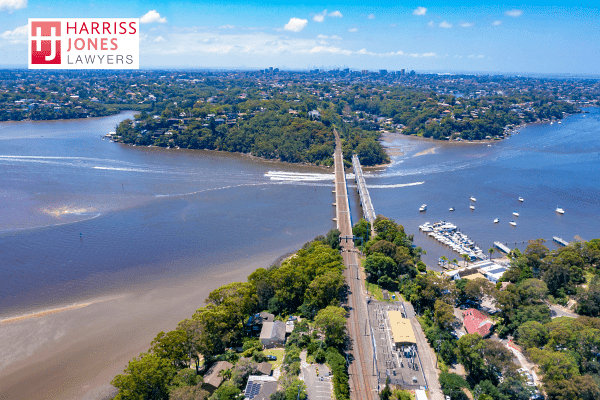
The NSW Land and Environment Court has approved a development application for new waterfront structures in Gymea Bay, bringing an end to an appeal against its deemed refusal by Sutherland Shire Council.
The case was resolved not through a contested hearing, but via a conciliation conference—a facilitated negotiation process between the applicant and the Council that led to an agreed outcome.
The Approved Development
The consent allows for work on crown land adjacent to 72 Ellesmere Road, Gymea Bay, including:
The construction of a new skid ramp.
The construction of a new ramp.
The re-orientation of an existing pontoon.
The Path to Agreement
The key to resolving the appeal was the applicant’s agreement to amend their plans. The Council, acting as the consent authority, accepted these amended documents, which included revised site plans, a construction methodology statement, and photo montages showing the visual impact.
These changes were sufficient to address the Council’s concerns and the issues raised by a local objector. The objector had spoken at the conference, raising concerns about visual impact, safety, and what they perceived as excessive waterfront structures.
With the amended plans satisfying all parties, they submitted a signed agreement to the Court for approval.
The Court’s Role: Checking the Boxes
In a conciliation, the Court’s primary role is not to judge the merits of the case but to ensure the agreed decision is legally sound. The presiding Commissioner must verify that all jurisdictional prerequisites are met—meaning the proposal must comply with all relevant environmental planning laws.
The Court confirmed that the amended application successfully addressed key requirements, including:
Coastal Management: The site is in a Coastal Environment Area, but the design, siting, and management of the works were found to minimise ecological and hydrological impacts.
Zoning: The works are a permissible “water recreation structure” in the W1 Natural Waterways zone.
Acid Sulfate Soils: The disturbance of less than one tonne of soil meant special consent was not required.
Biodiversity & Waterways: The construction methodology and a marine habitat report demonstrated the works would not adversely impact water flows, fish life, or the stability of the waterway.
The Outcome
Satisfied that the legal tests were met and that the agreement was one the Court could have made itself, the Commissioner was obligated to uphold the appeal and grant consent.
The approval is subject to a comprehensive set of conditions outlined in the judgment, including the requirement to obtain approval under the Fisheries Management Act 1994 before any construction begins.
Final Orders: The appeal was upheld, and development consent was granted for the amended application.

